



Vet warns UK dog owners about serious illness risk in November

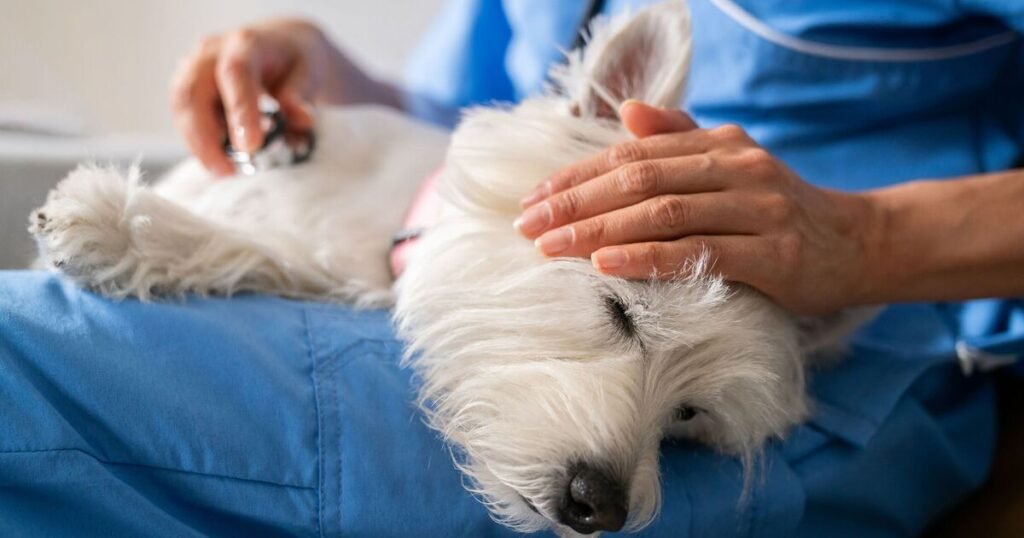
November poses a potential risk for dogs, with cases of Seasonal Canine Illness on the rise during this time of year. While this condition is quite rare, it can prove serious for our four-legged friends. Most cases of this illness are reported between August and November, particularly after they have enjoyed a woodland walk.
Dr Aimee Warner, resident veterinarian at Waggel, explains: “Seasonal Canine Illness tends to affect dogs within 24 to 72 hours of woodland walks, often in damp areas with heavy leaf litter, but the exact cause has not been definitively identified. What we do know is that it can escalate quickly and that prompt veterinary treatment greatly improves the chances of a full recovery.”
“The speed at which symptoms develop is what concerns us most,” Dr Warner notes. “Dogs can seem perfectly fine after their walk and then deteriorate within hours.”
Symptoms of Seasonal Canine Illness:
- Vomiting, often persistent and severe
- Diarrhoea, which may contain blood
- Marked lethargy and weakness
- Abdominal pain
- Loss of appetite
- Fever, and sometimes muscle tremors
Dr Warner has stressed that, unlike many mild gastrointestinal upsets that settle on their own, Seasonal Canine Illness can become life-threatening without treatment. Any dog showing these symptoms should be assessed by a vet the same day.
She added: “With early fluids and supportive care, most dogs recover well, and we have seen survival rates improve over the past decade.”
How to reduce the risk during autumnal walks
The exact cause of Seasonal Canine Illness remains unconfirmed, but there is a consistent link to woodland environments and the autumn months.
Harvest mites have been frequently found on dogs suffering from this illness, although their role in causing the condition has not been proven.
Dr Warner recommends:
- Avoid areas with dense leaf litter and standing water where possible.
- Keeping dogs on paths rather than allowing them to forage through thick undergrowth.
- Using veterinary-prescribed treatments to reduce the risk of harvest mite infestation and seek veterinary advice if you find mites in your dog.
- Washing or wiping paws and legs after woodland walks.
- Keeping dogs well hydrated before and after exercise.
- Monitor your dog closely for 72 hours following any woodland activity.
- Seeking immediate veterinary care if any vomiting, diarrhoea, lethargy or other concerning signs appear.
Dr Warner finishes: “Most dogs with an upset stomach after a walk will not have Seasonal Canine Illness.
“However, because the early signs look very similar, we would always rather see a dog early and rule SCI out than wait and risk severe dehydration or shock. The difference between treatment started within hours versus waiting until the next day can be significant.”
You may be interested
Princess Kate’s exact jumper is in the sale for just £40 | Royal | News
new admin - Feb 04, 2026Roll-neck jumpers have quietly become one of Princess Catherine’s most relied-upon winter staples. Just yesterday, the Princess stepped out in…

Snooker player and popular broadcaster and commentator John Virgo dies aged 79 | UK News
new admin - Feb 04, 2026Former player and broadcaster John Virgo has died at the age of 79, World Snooker has announced.He died at his…

The 14-inch, ARM-based Asus Vivobook is half off today
new admin - Feb 04, 2026I’m typically reluctant to recommend budget-friendly laptops, particularly ones that run Windows, because they suck, more often than not. That’s…