


Institutions, Over Peers and Tribes, Bolster Indigenous Student Belonging


At all institution types, students living off campus reported a 16 percent higher sense of belonging than those living on campus.
Daniel de la Hoz/iStock/Getty Images Plus
A new study from the American Indian College Fund and National Native Scholarship Providers found that Indigenous students report a stronger sense of belonging on campus when their college provides “perceptions of a sense of acceptance, inclusion and identity.”
They call this “institutional support,” and it’s the primary predictor of belonging, trailed by peer support, campus climate and tribal support, the study showed.
The “Power in Culture Report,” released Wednesday, examined Indigenous students’ sense of belonging at the institutional and state level. NNSP surveyed more than 560 students enrolled at 184 institutions across multiple sectors, including tribal colleges and universities, predominantly white institutions, Hispanic-serving institutions, and other minority-serving institutions. The survey was conducted between March and April of 2024.
Unsurprisingly, tribal colleges foster a greater sense of institutional belonging among Indigenous students than other institution types. At nontribal institutions, Indigenous students must create belonging via “informal networks and cultural resilience amid institutional neglect or performative inclusion.” Indigenous students at nontribal campuses also report experiencing more microaggressions and cultural isolation. Students at institutions with larger populations of Indigenous students report a 14 percent higher sense of belonging than those at schools with fewer Native peers.
When looking at Indigenous student belonging at the state level, students attending college in states with larger tribal populations actually report a lower sense of belonging and say they feel less supported than students in states with smaller tribal populations, “suggesting that population size alone does not equate to meaningful support,” the study noted. Students in states with a tribal college or university reported an 18 percent lower sense of belonging than students in states without a tribal institution.
At all institution types, students living off-campus reported a 16 percent higher sense of belonging than those living on-campus.
The report includes several policy recommendations to bolster Indigenous student belonging, including recruiting Indigenous faculty and staff, funding Native language revitalization courses, and establishing meaningful relationships with local tribal nations.

You may be interested
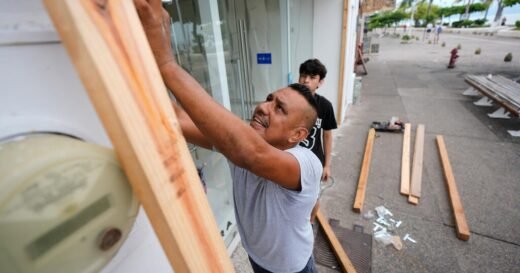
Hurricane Simon strengthens into Category 4 storm as it takes aim at Mexico’s Pacific coast
new admin - Oct 11, 2026Simon has strengthened into a powerful Category 4 hurricane as it barrels toward Mexico's Pacific coast.The National Hurricane Center in…

Urgent recalls issued by Tesco, Asda, Primark, Home Bargains and more – full list
new admin - Oct 11, 2026Over the last week or so, several huge retailers have issued recalls, urging customers not to eat or use the…

Justice Department investigating TV networks over suspension of press pool after Trump media ban
new admin - Oct 11, 2026The Justice Department is investigating whether the major TV networks, including CBS, violated antitrust laws after they briefly suspended the…