



Australia approves first chlamydia vaccine for koalas ravaged by the disease


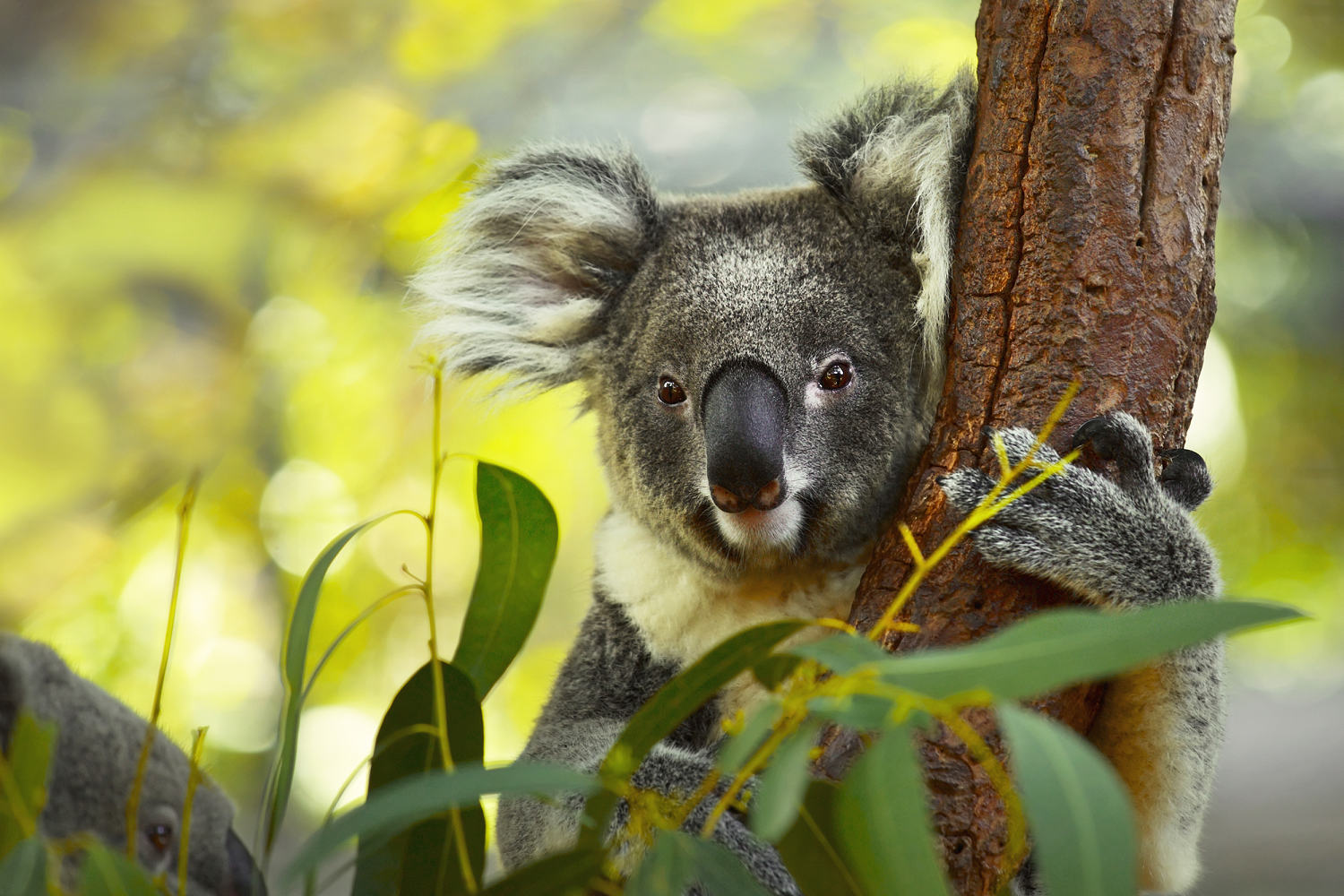
Australia has approved the first vaccine to protect its shrinking koala population against chlamydia, a disease that accounts for as much as half of deaths in the wild among the country’s iconic marsupials.
Researchers spent over 10 years developing the single-dose vaccine, which Australia’s veterinary medicine regulator has approved for use in wildlife hospitals, veterinary clinics and in the field.
There are estimated to be between 224,000 and 524,000 koalas left in Australia, according to Australia’s national science agency, which cited numbers from the National Koala Monitoring Program. According to the World Wide Fund for Nature, the koala population has been cut in half in the past 20 years.
Since 2022 they have been listed as endangered in Queensland, New South Wales and the Australian Capital Territory, where the monitoring program estimates the combined population is between 95,000 and 238,000.
Along with habitat loss, climate change and bushfires, a major reason for koalas’ vulnerability is chlamydia, a sexually transmitted infection also found in humans that can also cause infertility and blindness.
It is not uncommon for half the koalas within a population to be infected, and rates can go as high as 70%, said Peter Timms, a professor of microbiology who led the research at the University of the Sunshine Coast in Queensland.
“Some individual colonies are edging closer to local extinction every day,” Timms said in a statement Wednesday.
While both male and female koalas can contract chlamydia through physical contact such as mating, it’s a different strain than the one found in humans. A joey can also contract it from an infected mother’s pouch.
The vaccine was found to have reduced the likelihood of koalas developing symptoms of chlamydia during breeding age and decreased mortality from the disease in wild populations by at least 65%.
Before it was approved, the vaccine was tested on more than 500 koalas in eight different trials.
According to Samuel Phillips, a molecular microbiologist and senior researcher at the University of the Sunshine Coast who worked on the project, the vaccine offers three levels of protection: reducing infection, preventing progression to clinical disease and in some cases reversing existing symptoms.
“Registration of the vaccine has been very challenging,” he told NBC News. “We started this five years ago, thinking it would take one year, and here we are. Five years later, we finally got to the point.”
Until now, the only treatment available to koalas infected with chlamydia was antibiotics, but they can make it difficult for koalas to digest food, leading to starvation and sometimes even death.
“It’s quite humbling, really. I keep thinking to myself, [I] can’t believe that we did this,” Phillips added.
You may be interested

Hilton, Becerra lead California governor’s race as Steyer gains ground
new admin - Jun 05, 2026The race to succeed term-limited Gov. Gavin Newsom in California remained undecided Thursday night, with Republican former Fox News host…

‘Beautiful’ 30% off summer dress is ‘forgiving’ around the tummy area
new admin - Jun 05, 2026Boden shoppers searching for an easy summer outfit may want to take a look at one bestselling dress that's won…

Who’s really at your door? App delivery drivers in California found using accounts that aren’t theirs
new admin - Jun 05, 2026Do you know who you're opening your door to? A CBS News California consumer investigation uncovered food delivery drivers using…